Making Space for People: From Temporary Interventions to Lasting Change
The publication Making Space for People: A Tactical Guide for Cities to Reclaim Urban Spaces and Reimagine Mobility presents tactical urbanism as a practical approach to improving public space and sustainable mobility.
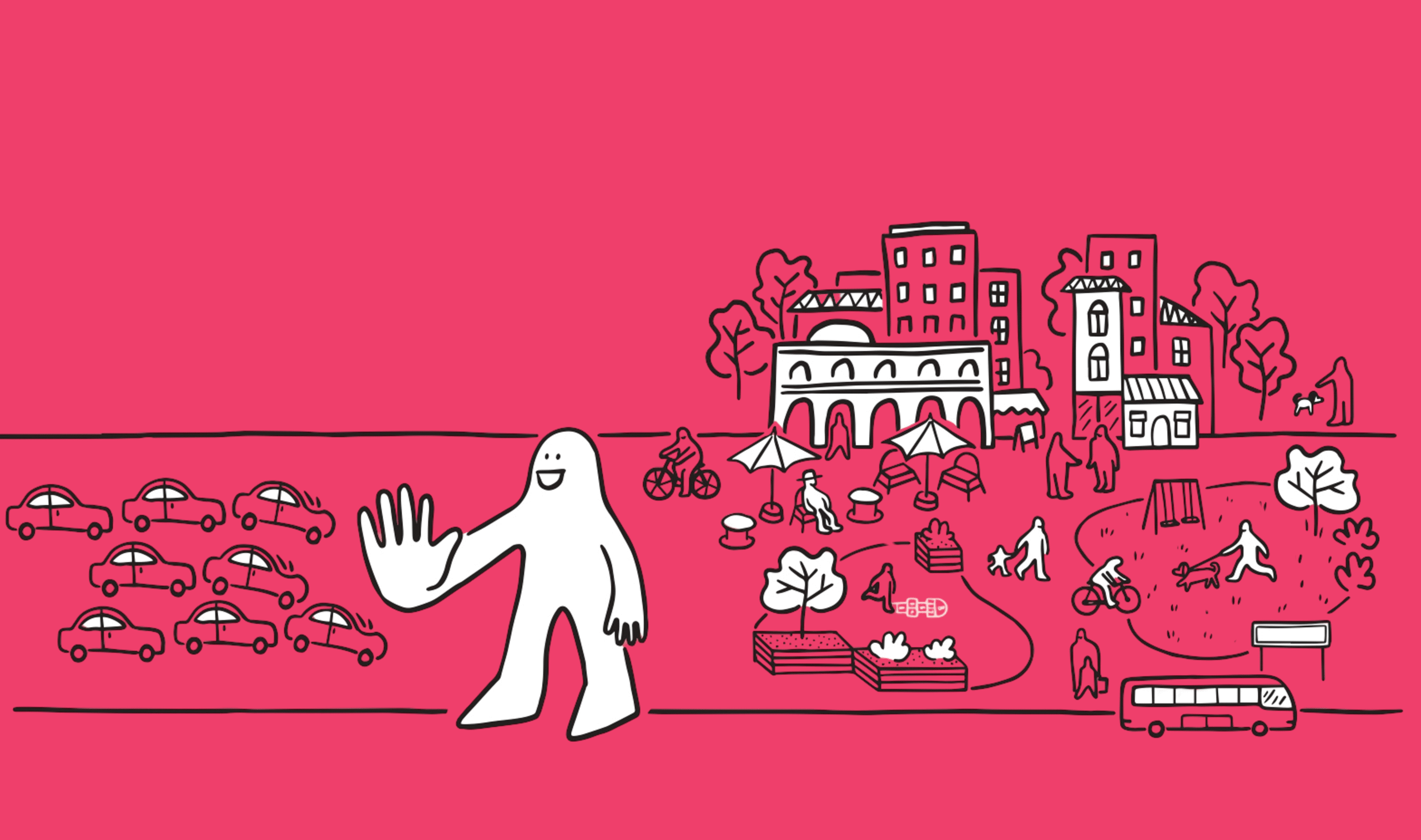
Cover illustration: Darja Klančar, Darka
Cities across Europe are facing challenges linked to car dependency, shrinking of public space, and the urgent need to respond to climate change. Traffic congestion, air and noise pollution continue to lower the quality of urban life, while many residents and decision-makers remain unaware of the long-term consequences of car-oriented planning.
This raises important questions: How can the use of limited public space be better balanced to meet different needs? How can cities reduce car dependency while creating environments that support the well-being of residents and visitors? While the answers often require major infrastructure investments and long-term transformations, the path towards change can begin with smaller, temporary interventions that allow ideas to be tested in real-life conditions and adapted based on feedback and experience.
Developed within the Interreg CE PopUpUrbanSpaces project, the publication Making Space for People: A Tactical Guide for Cities to Reclaim Urban Spaces and Reimagine Mobility presents tactical urbanism as a practical approach to improving public space and sustainable mobility through experimentation, participation, and learning. Drawing on experiences from European cities that tested various temporary interventions, the guide provides a structured framework for planning, implementing, and evaluating such measures.
“Streets and squares are not merely transport infrastructure; they are essential public spaces that influence health, safety, social interaction, and the quality of everyday life.”
Testing before making permanent changes
Tactical urbanism is based on a simple principle: test first, then implement permanent change. Rather than making definitive decisions based solely on plans and assumptions, cities can use temporary interventions to understand how a solution performs in practice, how people respond to it, and what adjustments need to be made.
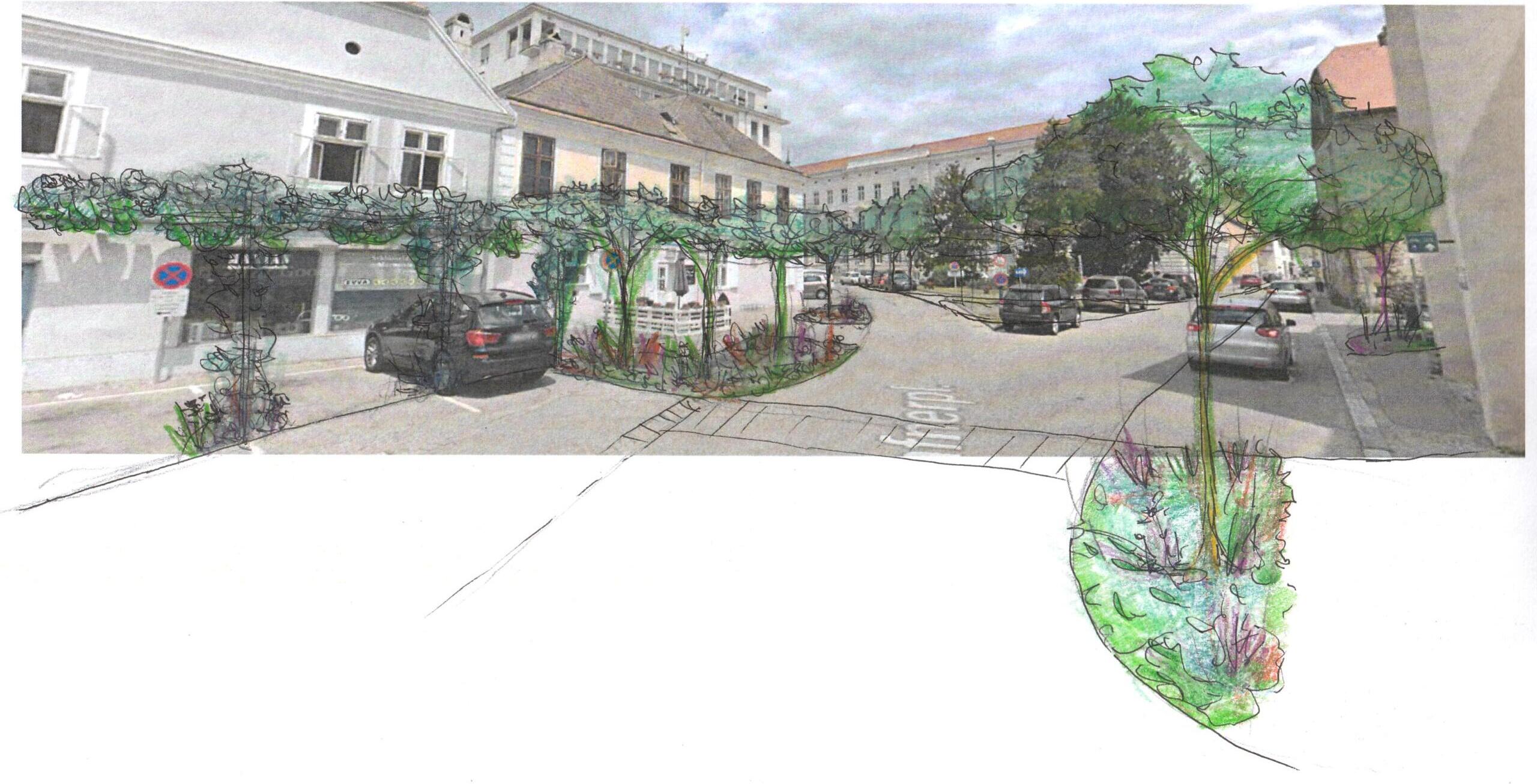
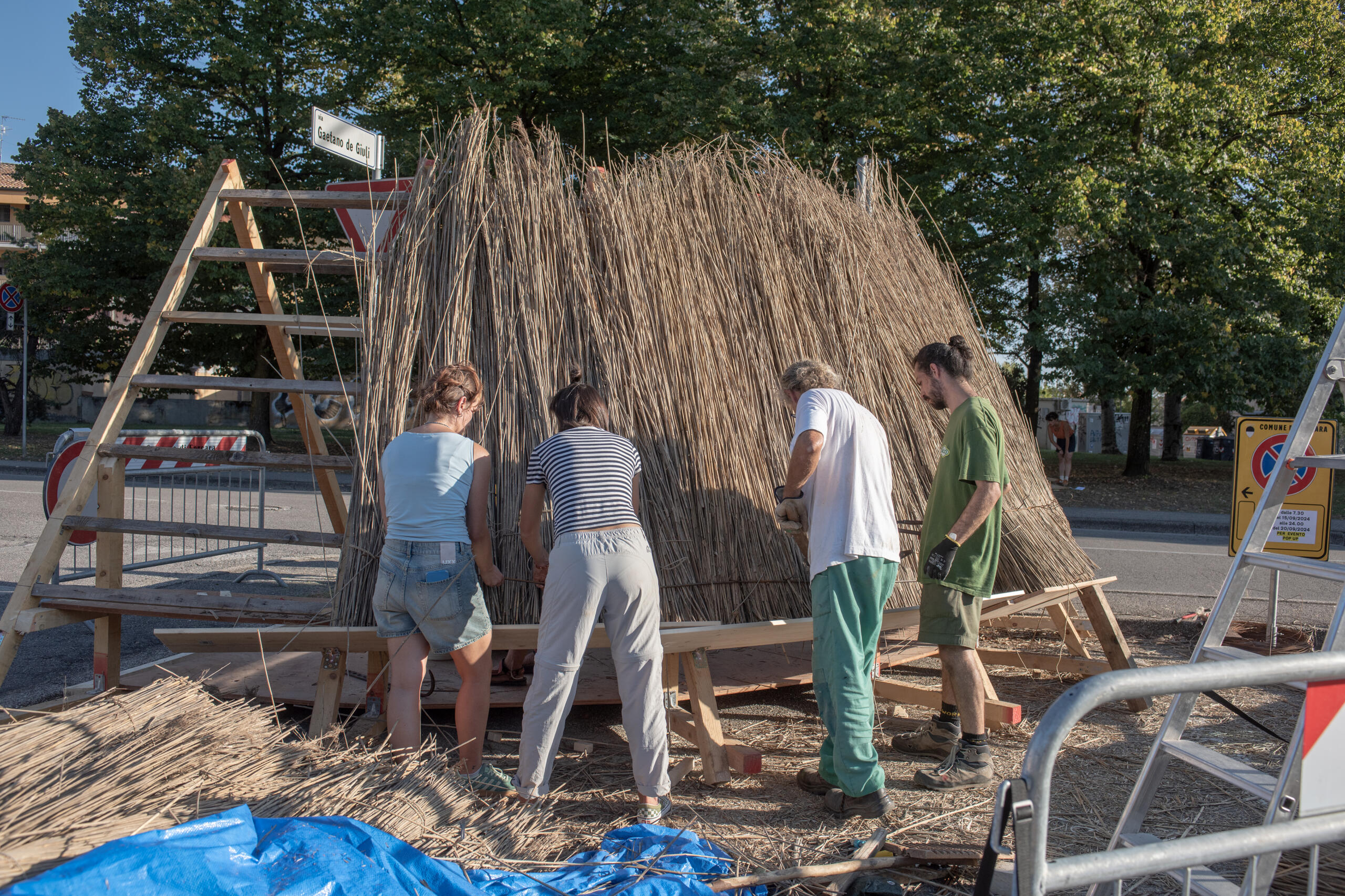
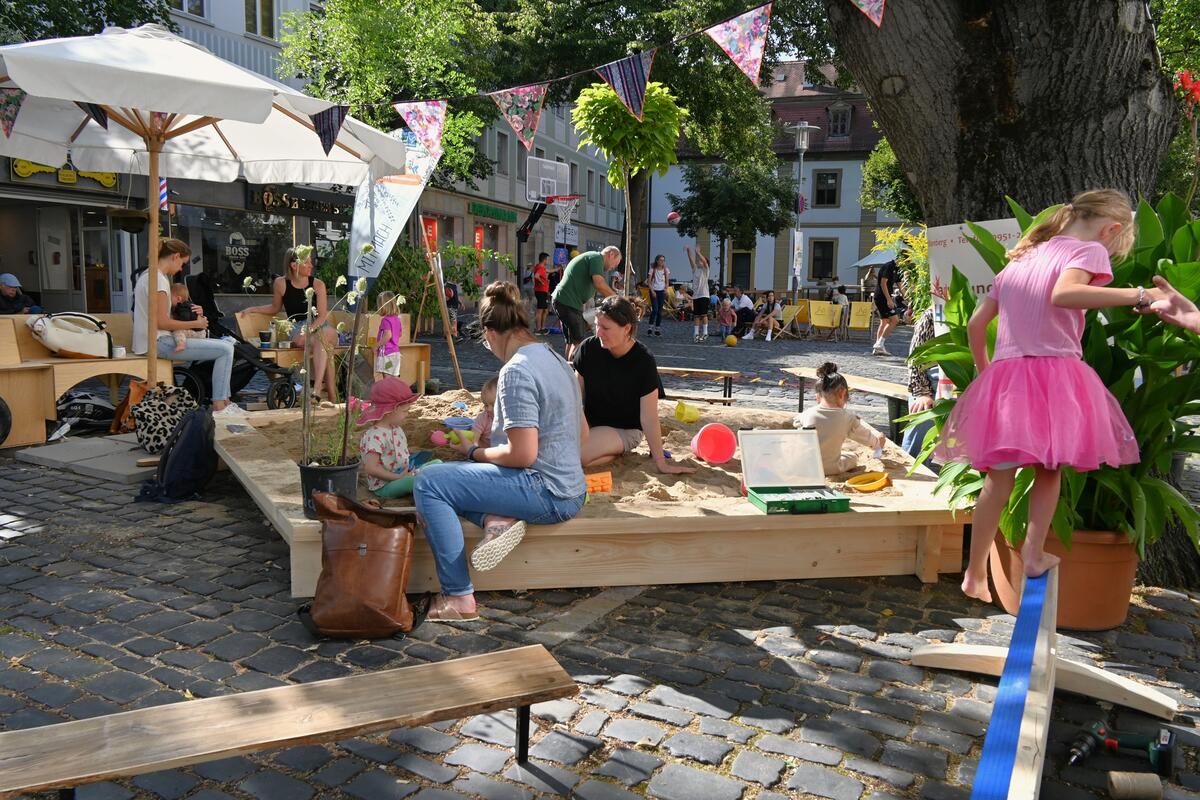
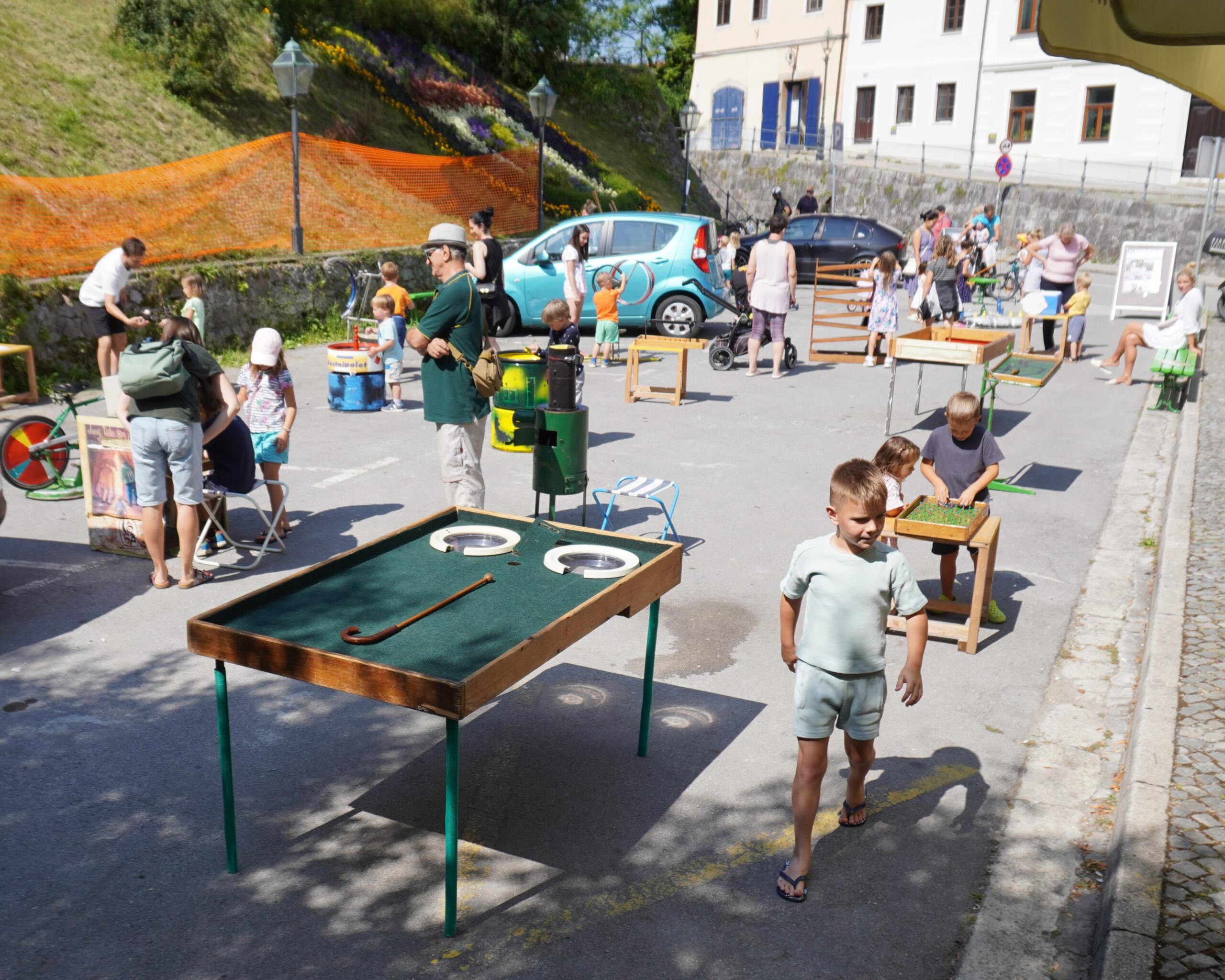
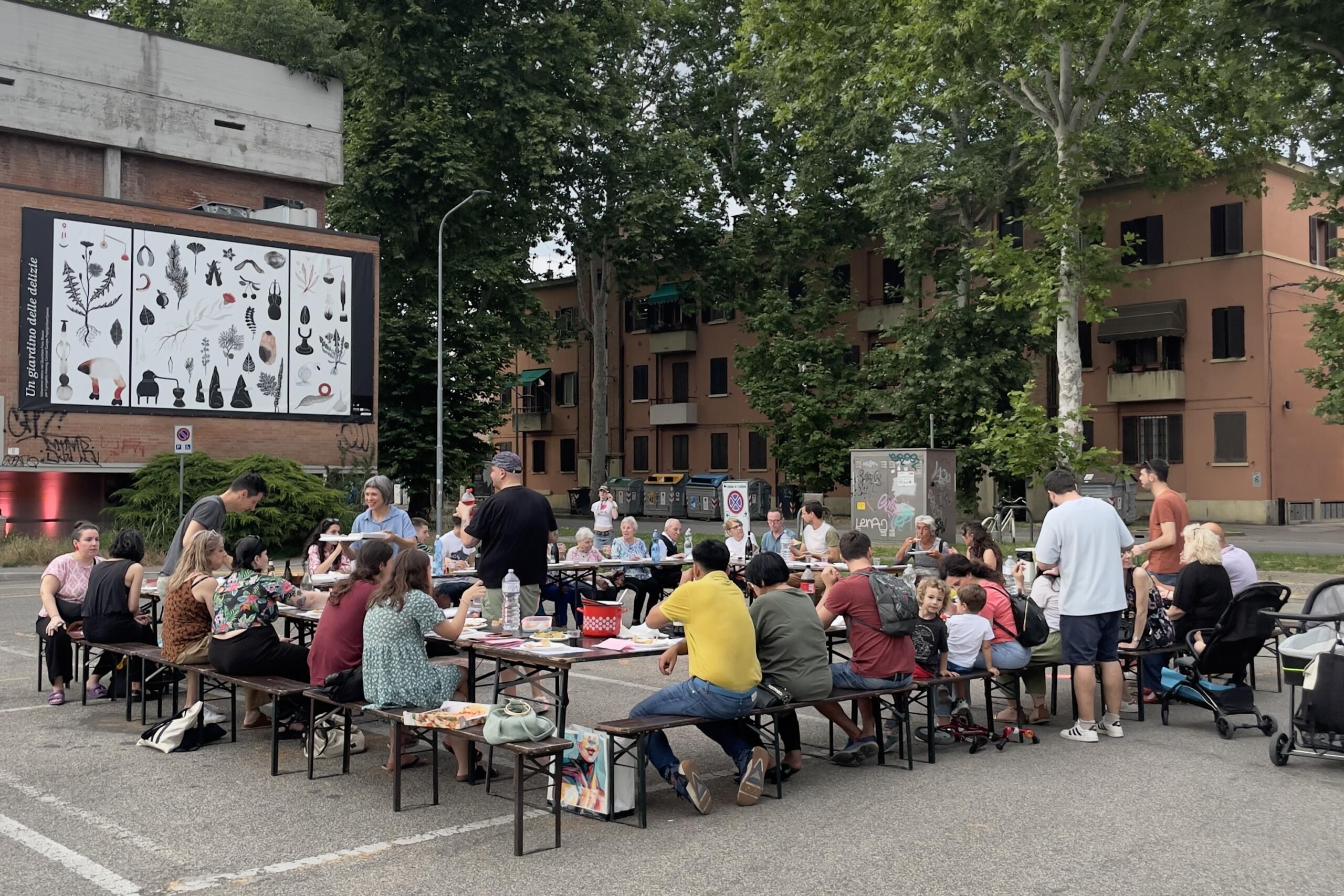
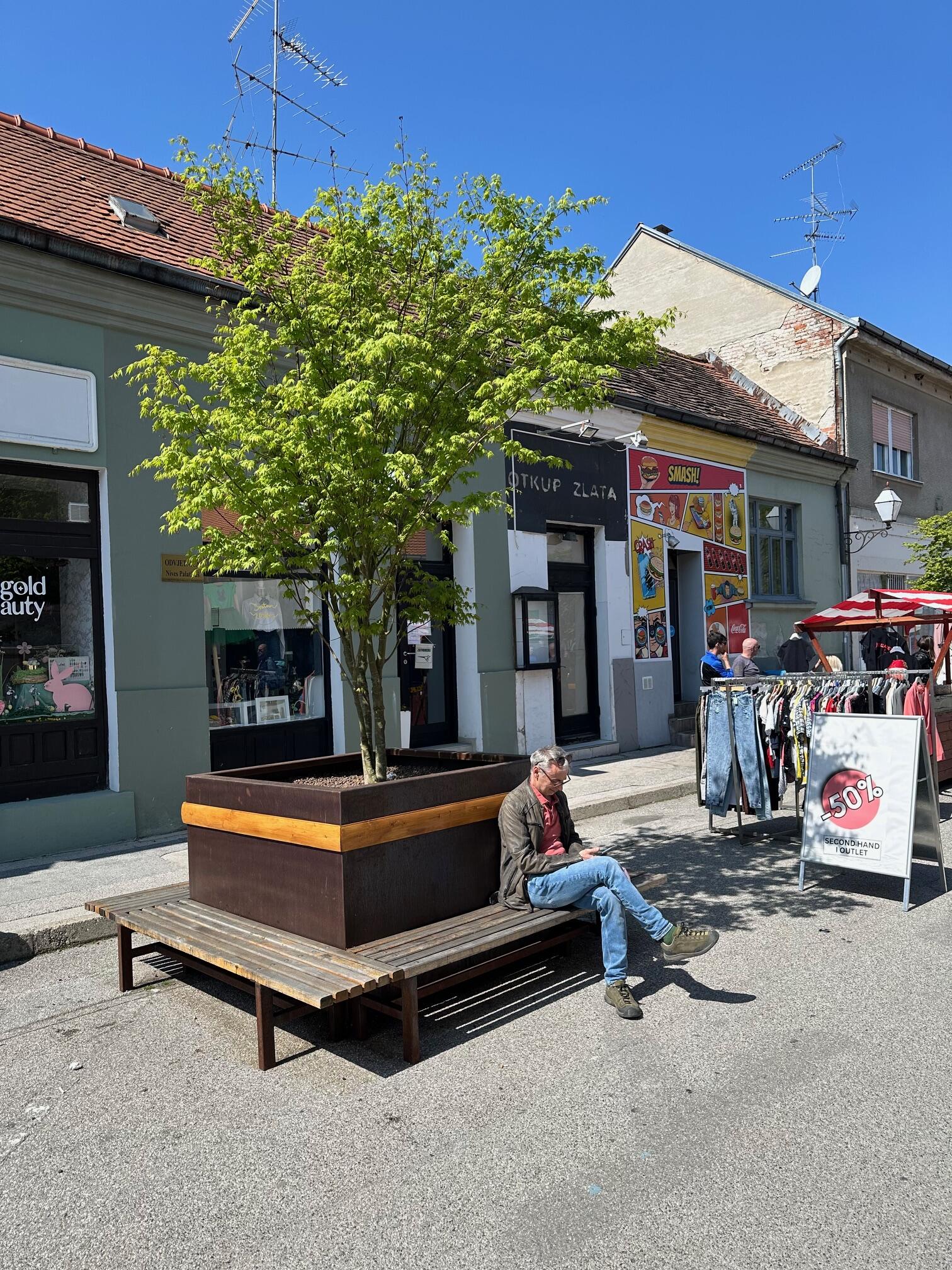
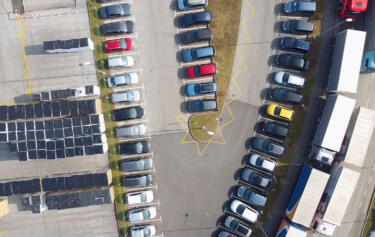
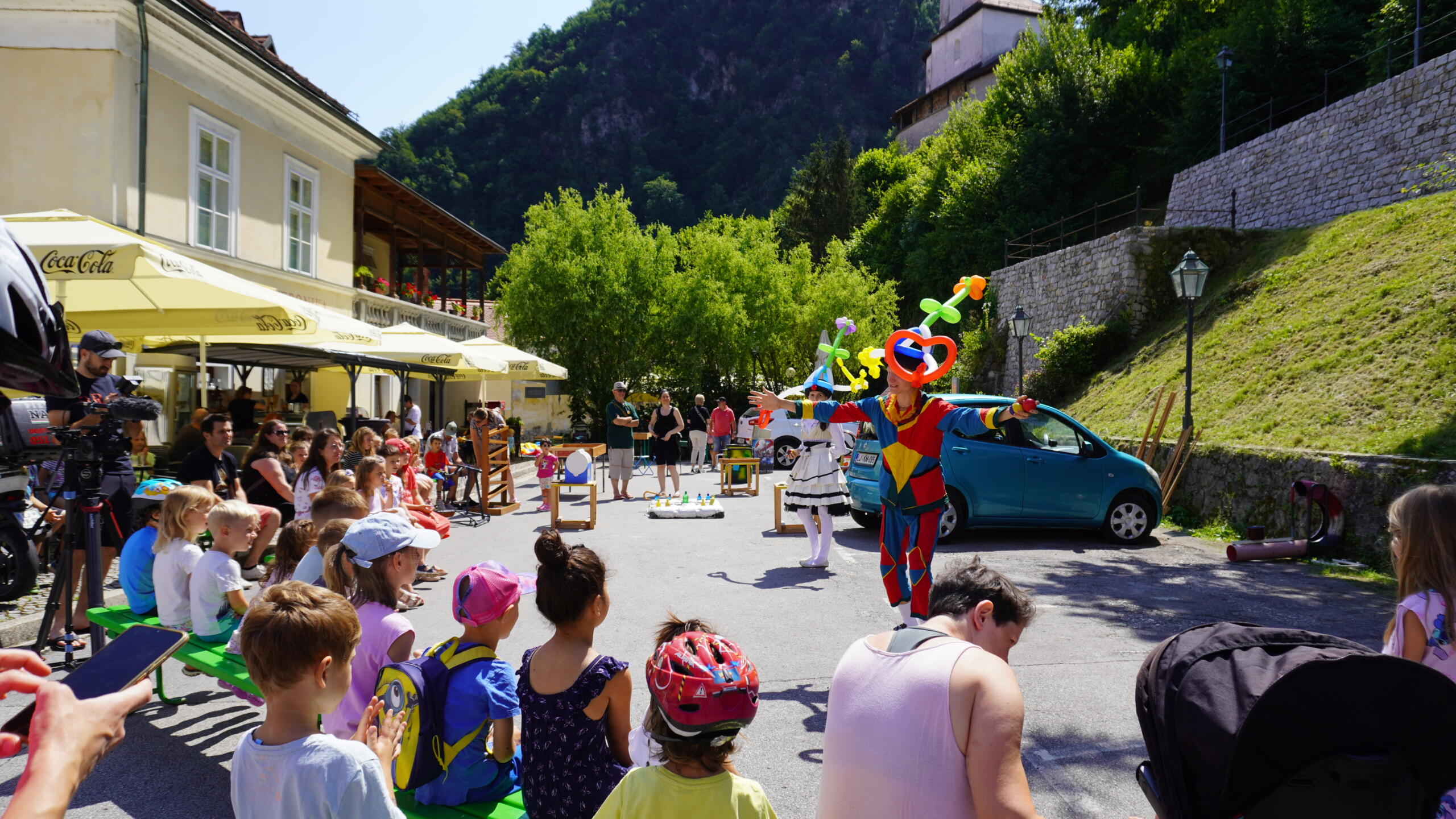
Such interventions can be remarkably simple: temporary sidewalk widening, protected bike lanes created with movable elements, transforming parking spaces into community areas, installing temporary urban furniture, or creating low-traffic zones. Their purpose is not only to physically transform a space but also to generate valuable insights and practical experience. Even less successful experiments should be viewed as learning opportunities rather than failures.
The ability to adapt and improve solutions quickly helps reduce risks, increases public acceptance, and supports better-informed long-term investments.
“The key is to treat ‘failures’ as opportunities for learning, not as unsuccessful attempts.”
From idea to implementation
The guide presents tactical urbanism not only as a concept but as a clearly structured process that leads from problem identification to the evaluation of results. It also explains the key differences between tactical and traditional approaches to urban and mobility planning, highlighting benefits related to health, environment, community development, local economies, and governance. At the same time, it acknowledges that tactical urbanism is not a universal solution and outlines situations in which other approaches may be more appropriate.
The tactical urbanism process includes:
- Planning the temporary intervention, including analysis of the local context and traffic conditions, selection of the testing site, public participation, and preparation of the concept and implementation plan;
- Implementing the intervention, including physical changes, place activation through activities and events, public communication and gathering feedback, impact monitoring, data collection, and ongoing adjustments;
- Evaluating results and deciding on next steps, including the possibility of making the intervention permanent or expanding it further.
Particular emphasis is placed on measuring impacts. The success of an intervention is not determined solely by how a space looks, but by whether it contributes to greater safety, improved accessibility, changes in travel behaviour, and more frequent and higher-quality use of public space.
Learning through testing
Tactical urbanism views urban change as a process of experimentation. Temporary interventions allow cities to test new ideas in real-world settings, gather feedback from users, and make more informed decisions based on actual experience.
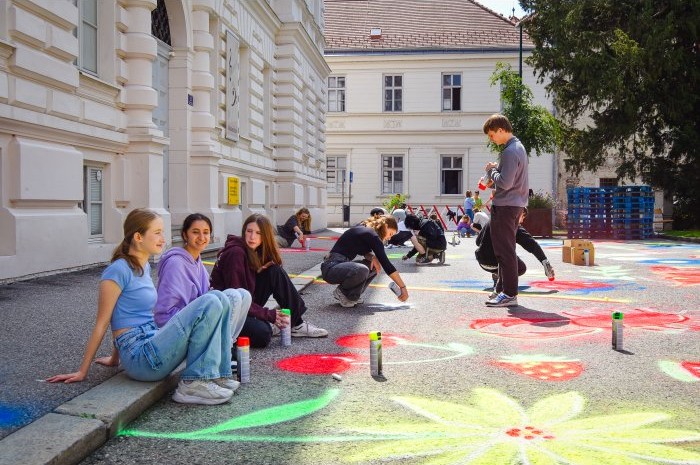
Community involvement is a crucial part of this process. Residents are not only observers of change but active co-creators of solutions. Experiencing a transformed space firsthand often leads to more constructive discussions than plans and visualisations on paper ever could.
Practical examples from European cities
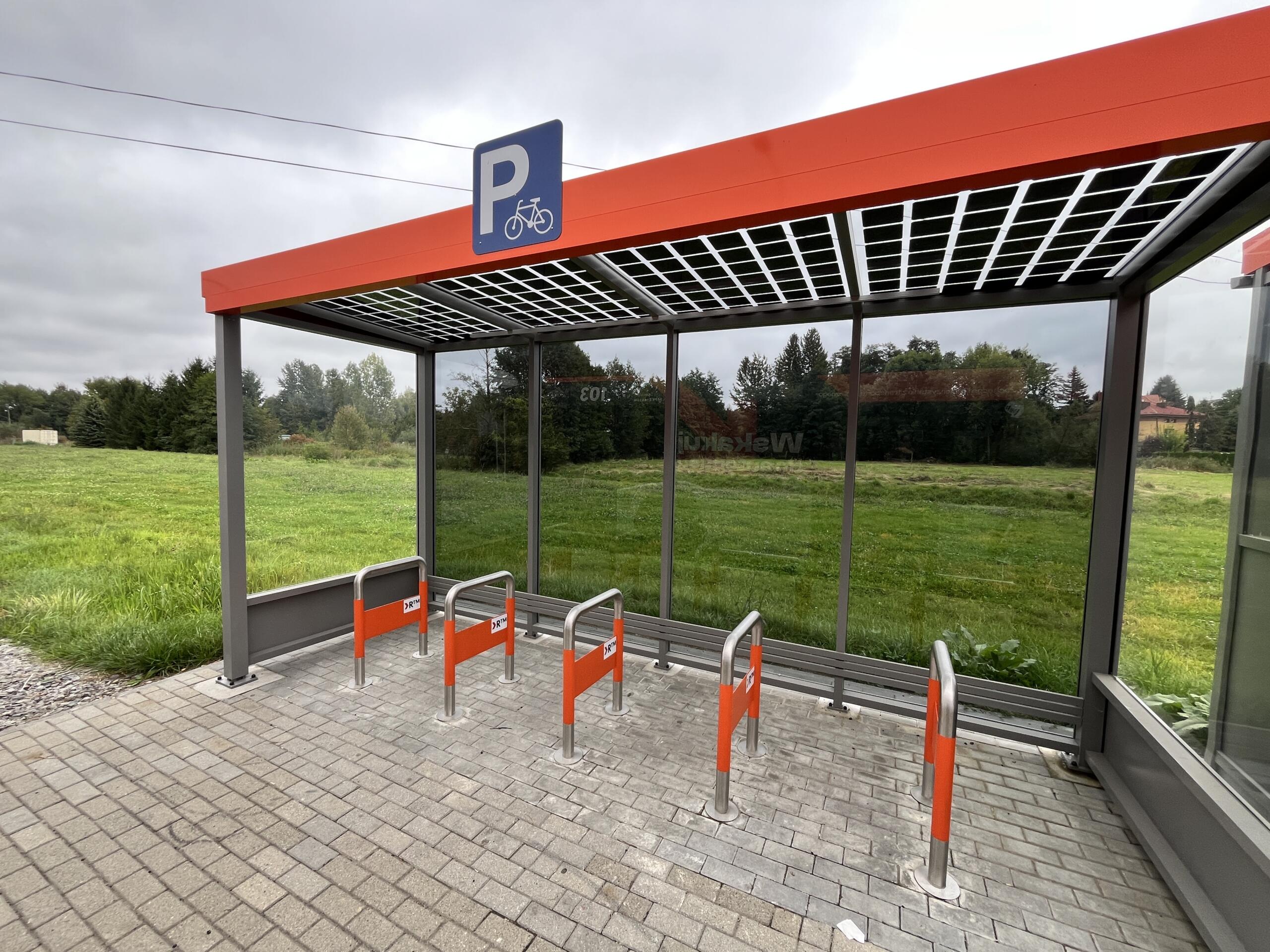
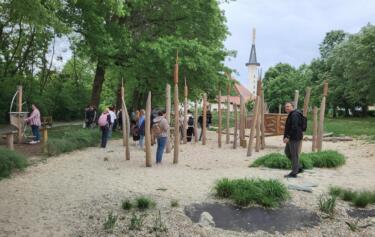
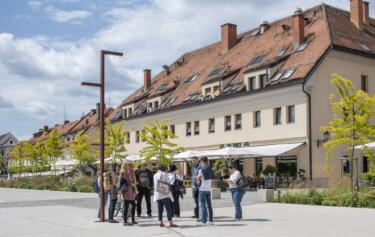
The publication presents pilot projects from participating cities as well as additional examples of good practice from across Europe and beyond. These include temporary conversions of parking areas into more pedestrian- and cyclist-friendly spaces, the revitalisation of underused areas into new places for gathering and community activities, the creation of low-traffic zones, and the testing of improvements in public transport and multimodal mobility.
A common feature of all these examples is that they were not regarded as final solutions, but rather as steps within a broader planning process. Cities used them to observe user behaviour, collect data, and build a foundation for possible long-term changes.
This approach is particularly valuable for small and medium-sized cities, as it enables change to be introduced with limited financial resources while reducing the risks associated with larger investments.
From temporary to permanent
Tactical urbanism does not replace long-term planning, it complements it. Temporary interventions create the greatest value when they become part of a broader development vision and help build support for lasting change.
In this sense, tactical urbanism acts as a bridge between the everyday use of space and strategic planning. It enables cities to test solutions on a small scale, learn from experience, and gradually implement changes that reflect the actual needs of users.
“Start small, build momentum, and create lasting change one step at the time.”
The guide’s central message is simple yet highly relevant for cities across Europe: meaningful change does not always begin with large-scale projects. Often, it starts with a small intervention that reveals new possibilities for public space, sparks dialogue, and opens the door to more permanent improvements.